
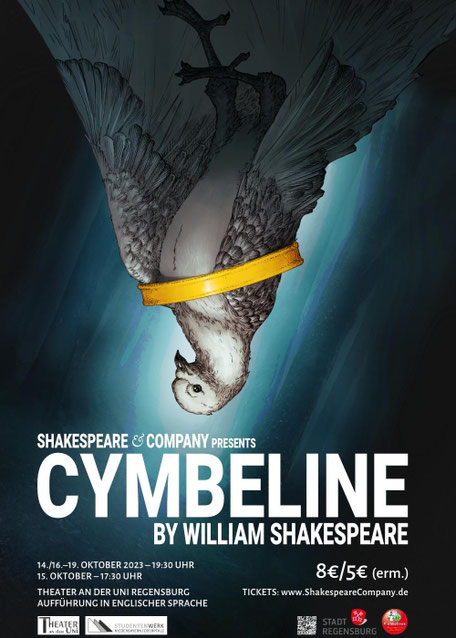
Cymbeline
by William Shakespeare
Theater an der Uni
14–19 October 2023
Explore our image gallery, see some behind the scenes photos, or read more about our production here.

About this Production
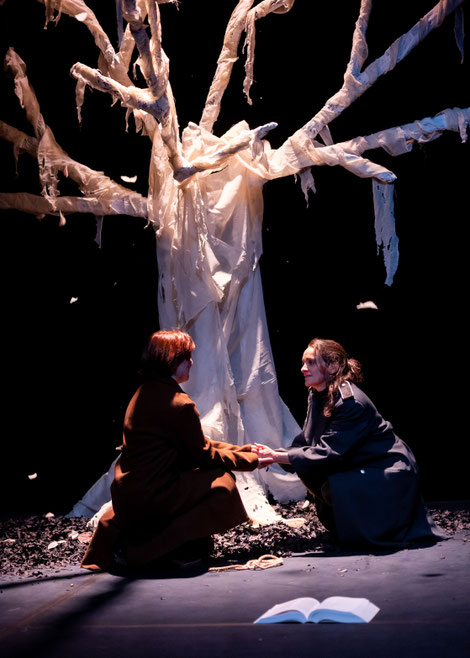
Cymbeline is fundamentally a play about storytelling. Again and again, central conflicts of the play are shaped by narration, from Iachimo's convincing
lies that trigger Posthumus' violent jealousy to the Queen's and Cloten's narrative of British isolationism that causes the war
between Britain and Rome. This central focus on story telling is also reflected in the first scene of the play, where two unnamed narrators tell us about what has happened so far, who the main
characters are, and how we should feel about them. We took this scene as a cue: In our
production, these two turn into narrators who guide us through the play, picking up the roles of different characters that significantly impact the momentum of the story.
The focus on the construction and the mechanics of stories also extends to the structure of the play itself. Although formally a tragedy, it defies genre labels, mixing high tragedy with farcical comedy and absurdist plot twists at every turn. Almost a pastiche of popular Shakespeare plays, it combines equal parts Othello and As You Like It, King Lear, Julius Caesar, and Much Ado About Nothing. Likewise, the play seems little concerned with realism and plausibility, at points even questioning the logic of its own fiction and undermining its characters' attempts to create a cohesive narrative. For example, in a scene in the last act that is equally stunning and confusing, Posthumus recounts for the audience the battle that we have just seen acted on stage, only to be challenged by a soldier whether all of this really happened: “This was strange chance” he comments laconically after hearing Posthumus’ rousing tale.
By drawing the attention of the audience to its own narrative fault lines, the play invites us to question whether we are inclined to accepts the fictions it presents. With our production we want to explore how we might make sense of these fictions and how they might speak to an audience four hundred years after its first production.
– Susanne Guertner
About the Music
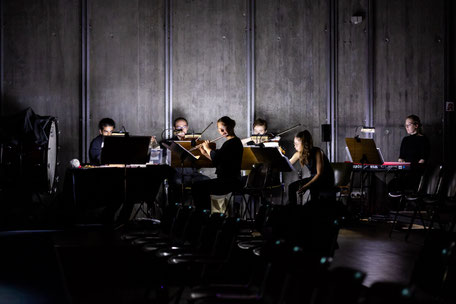
Six young musicians accompany the play with music, where each of them is able to move within a predefined set of thematic material and on the basis of certain
frameworks and sequences. They are allowed to lean into dissonances and/or land on consonant harmonies.
In this way, analogous to the overall artistic concept of the production, many simultaneously correct, parallel perspectives on the respective piece of music form a
common living, pulsating, self-structuring organism of sound, composed of partly independent but nevertheless always interacting voices. With open ears and minds, as well as their shared
aesthetic sensibility, the young ensemble masters this unconventional approach together.
– Rolli Bohnes
Highlights

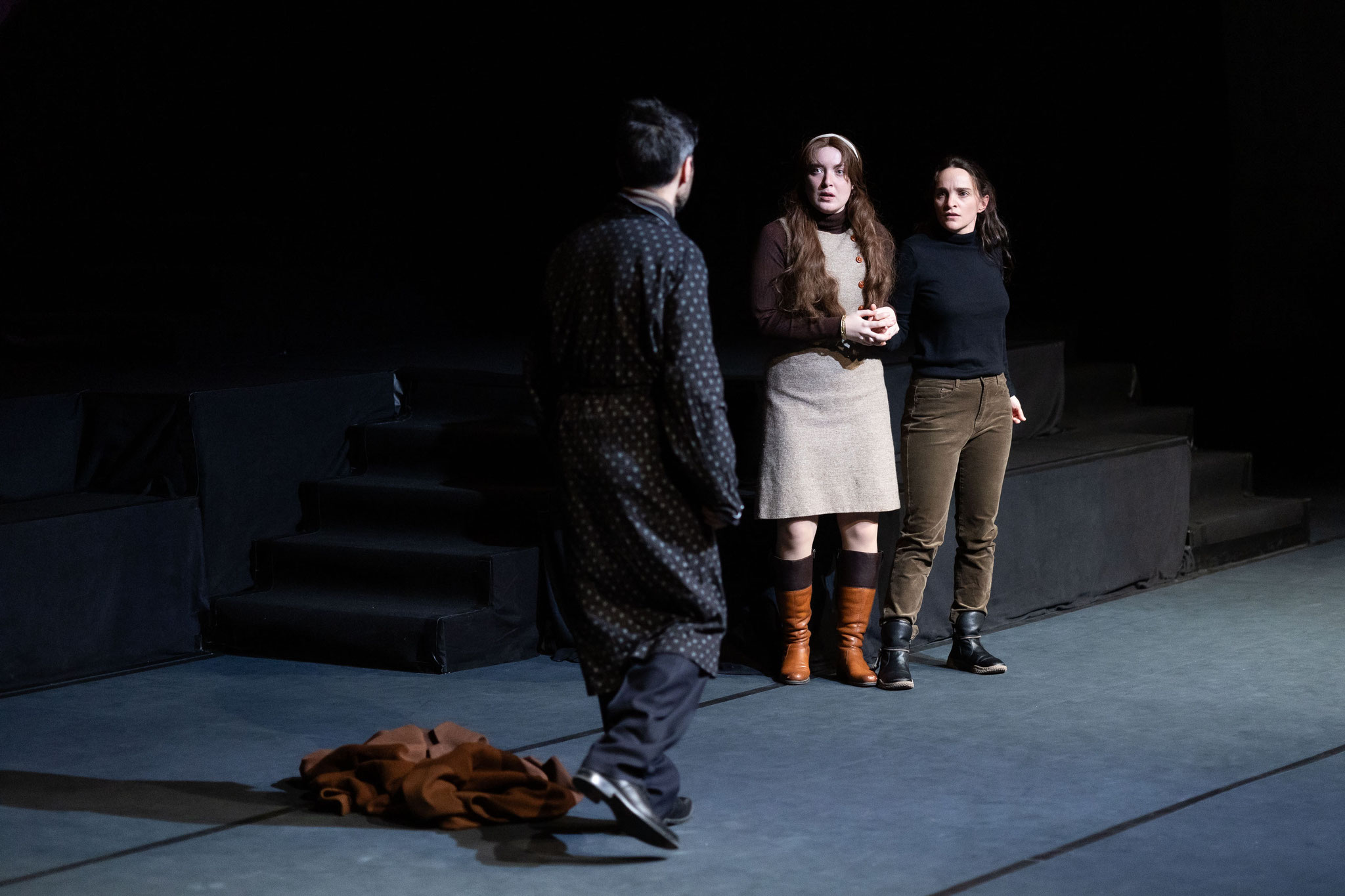
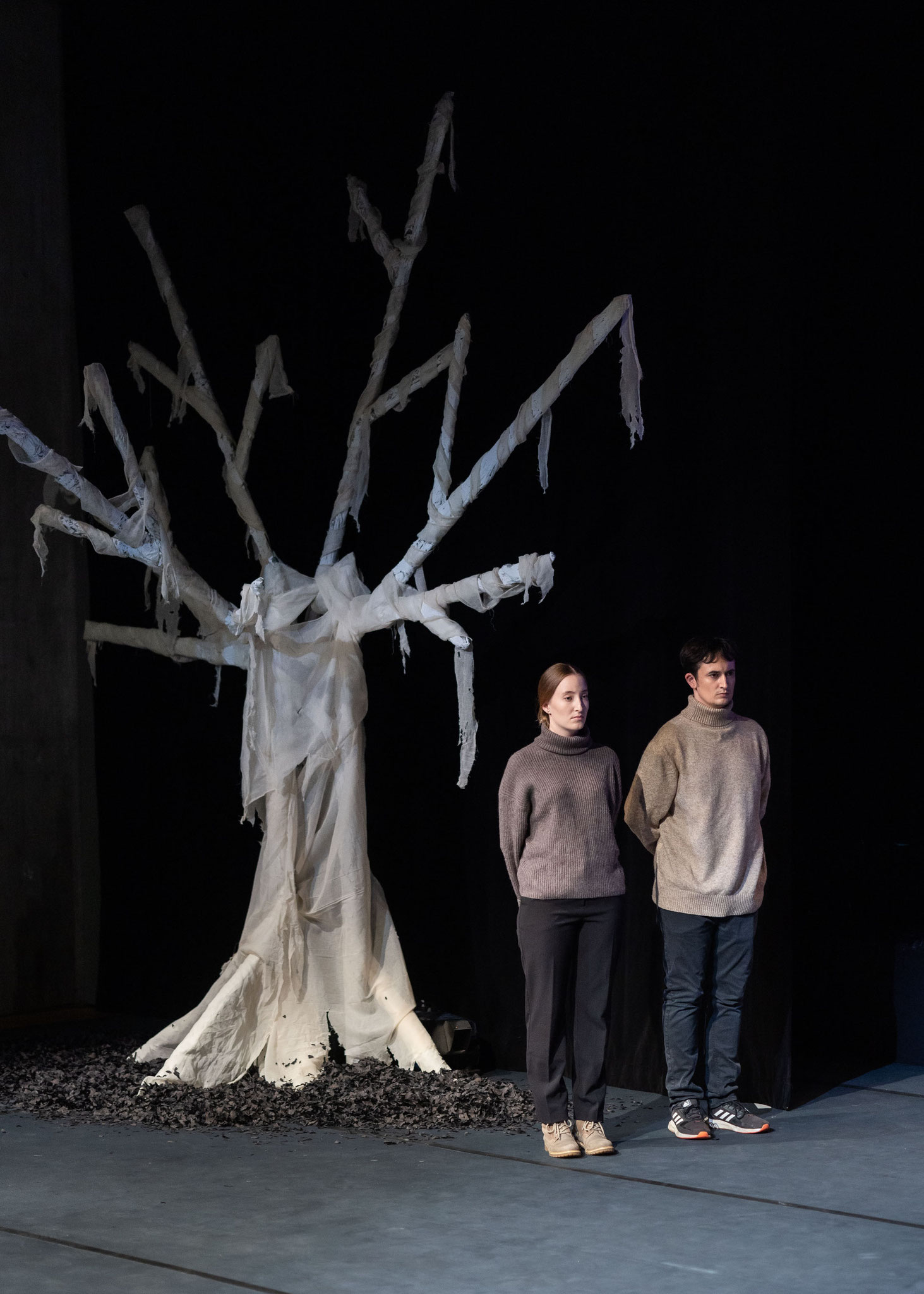
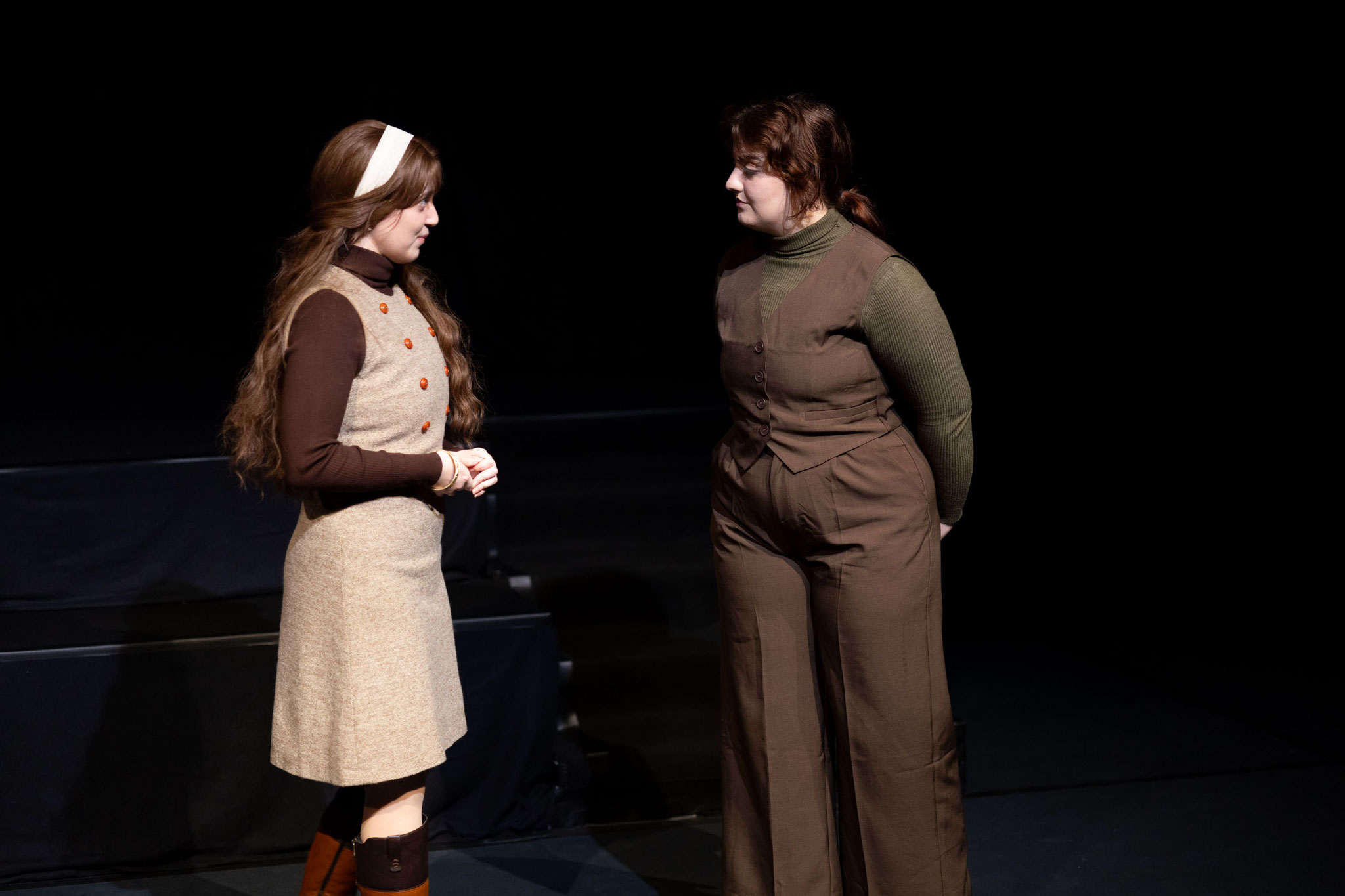

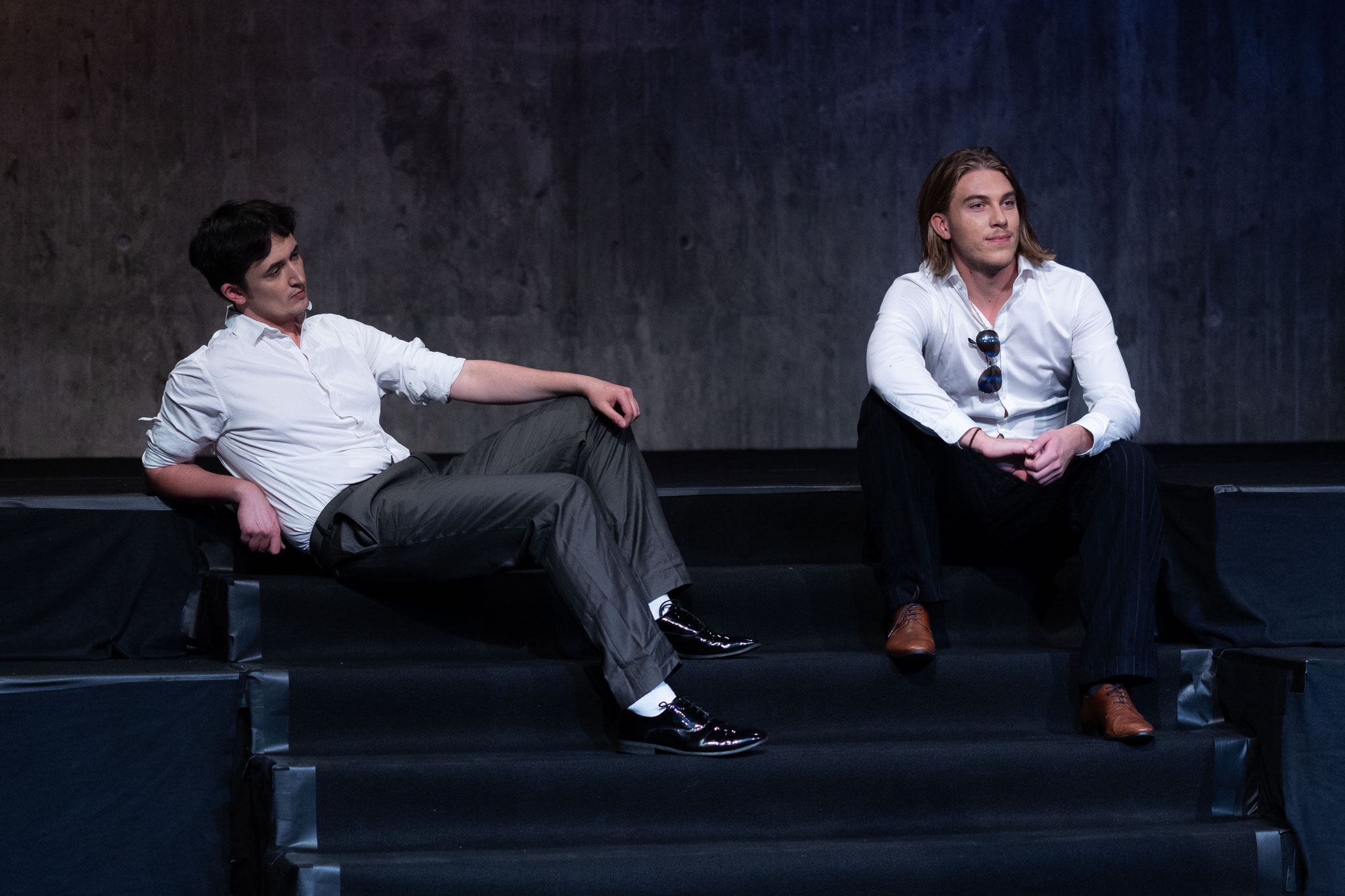
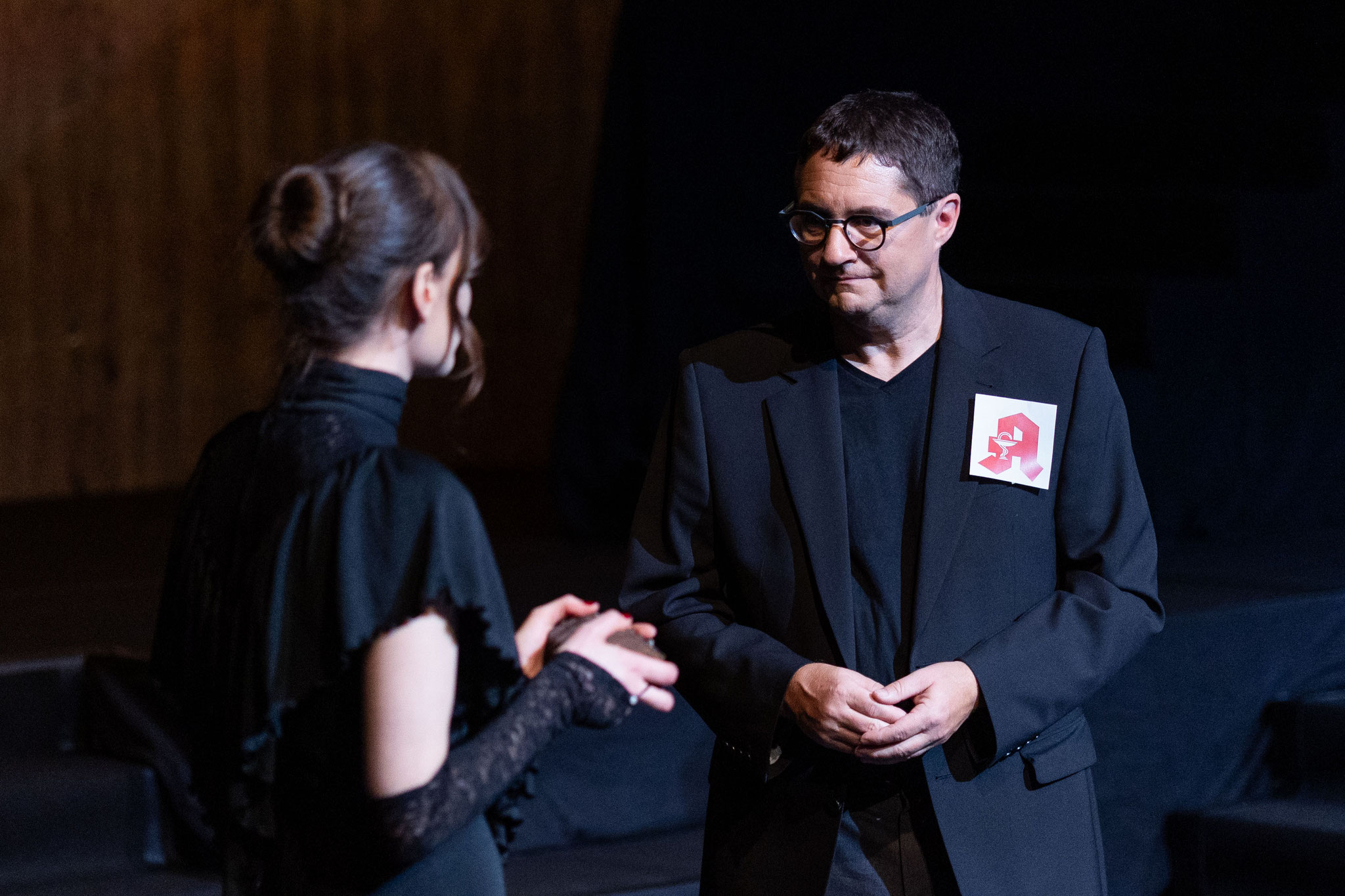
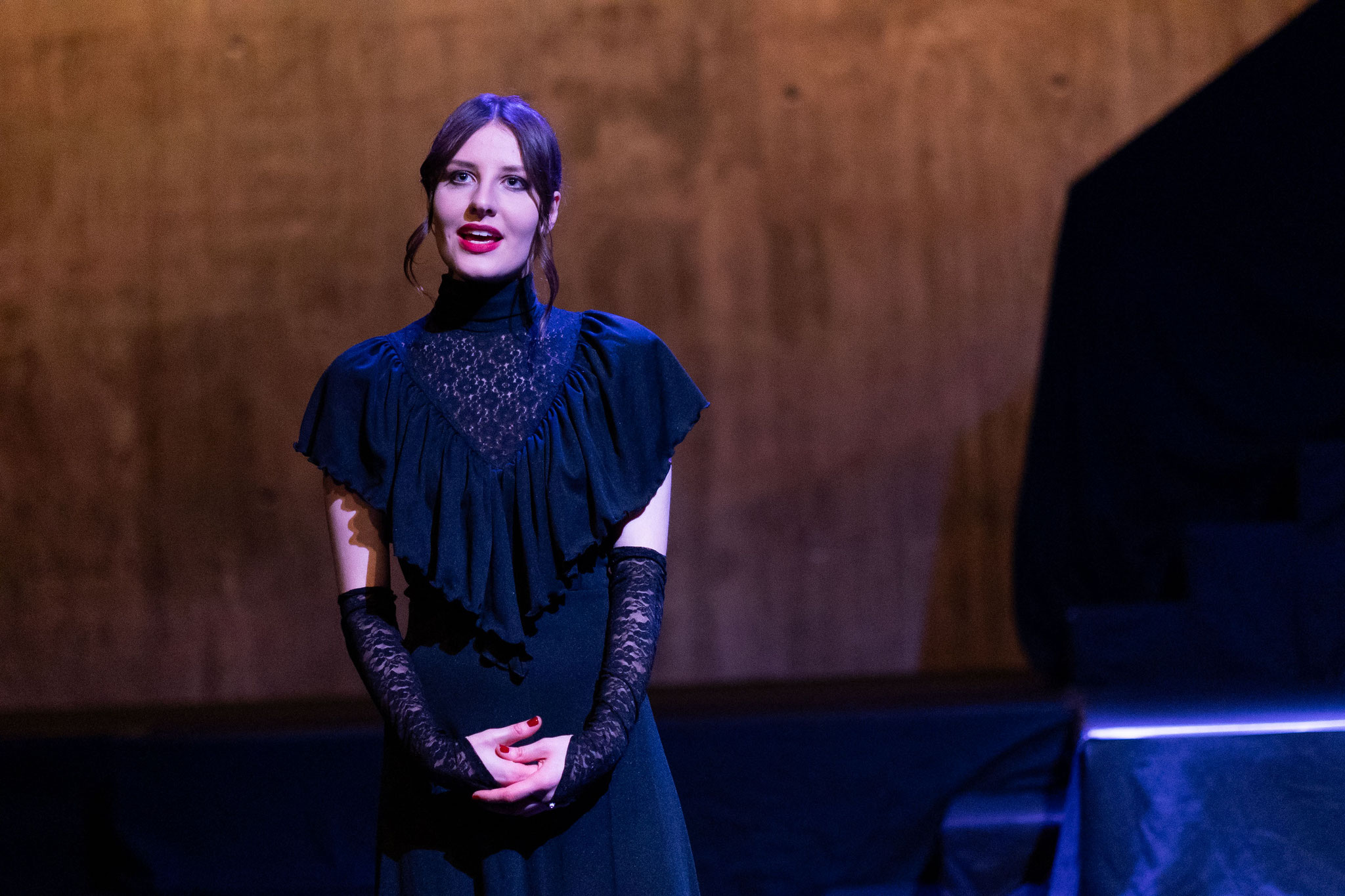

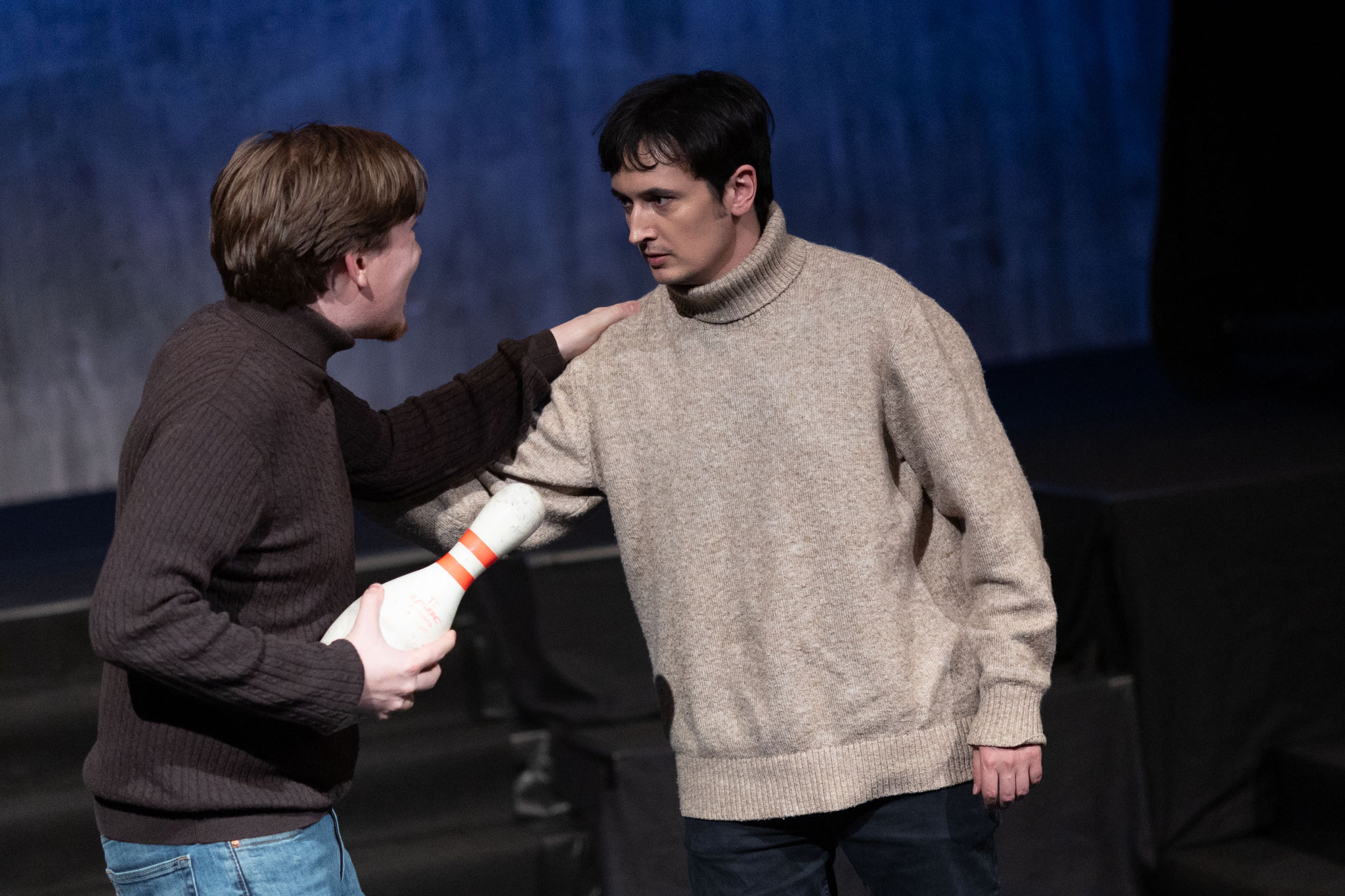

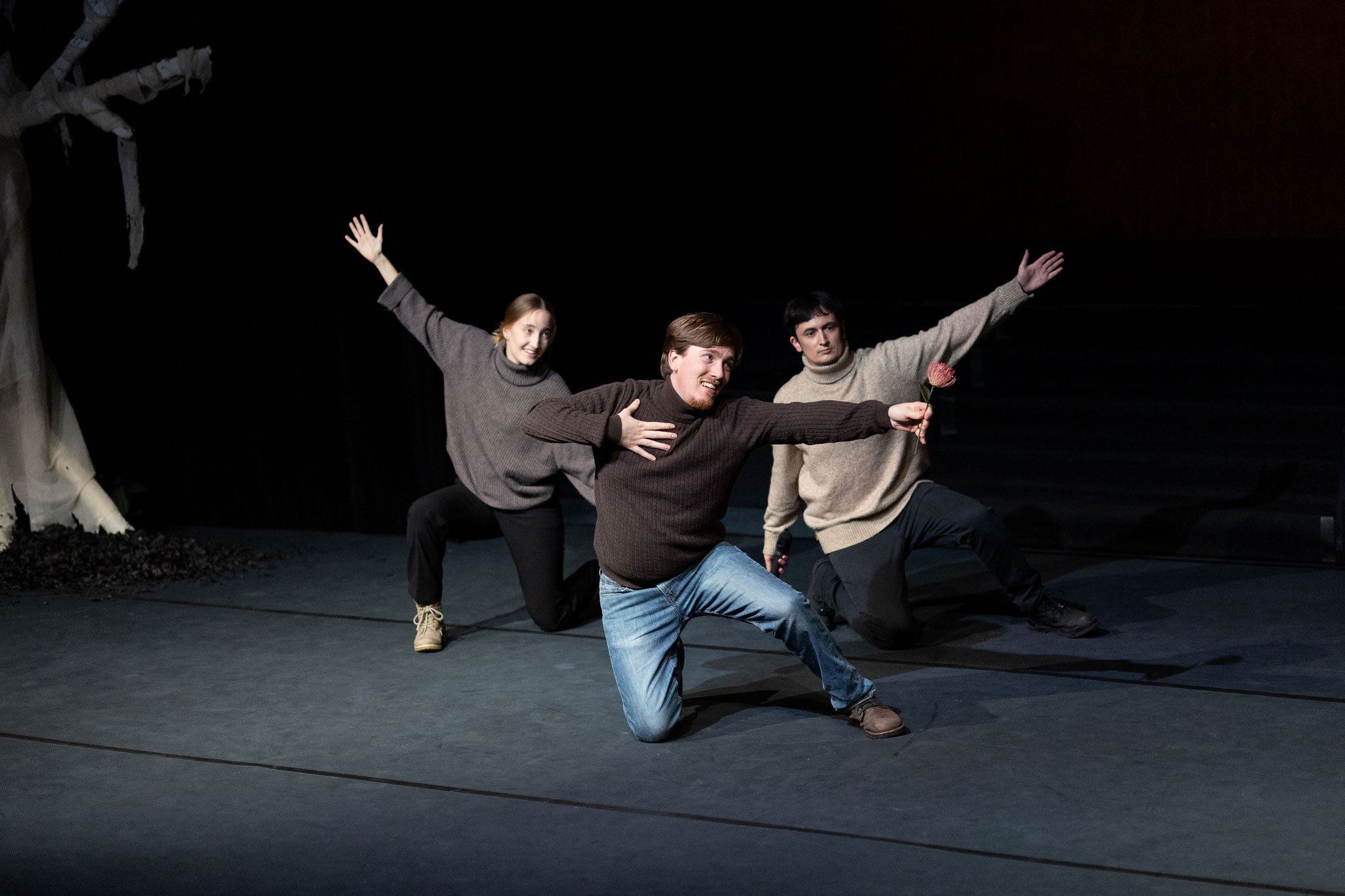
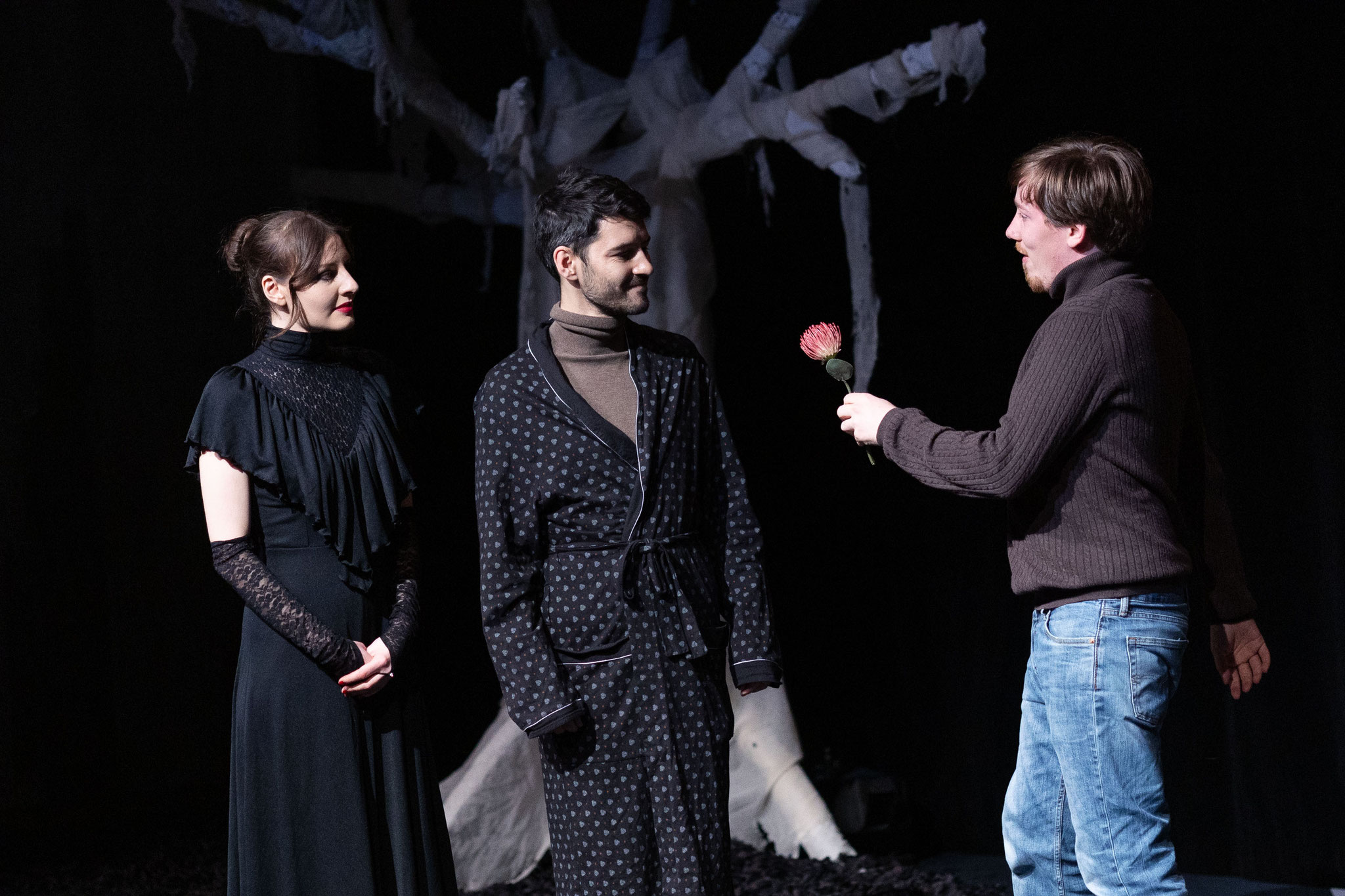

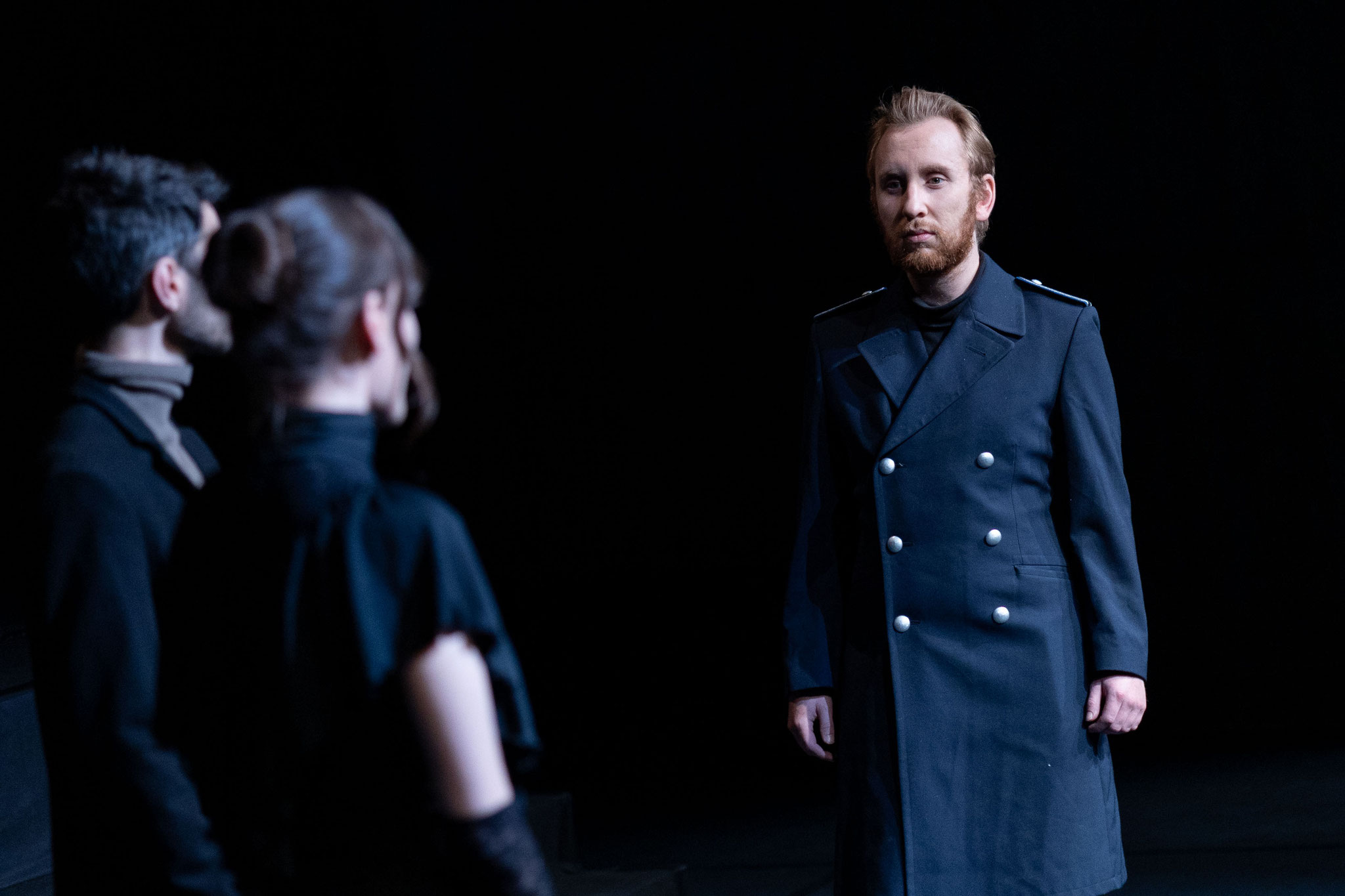
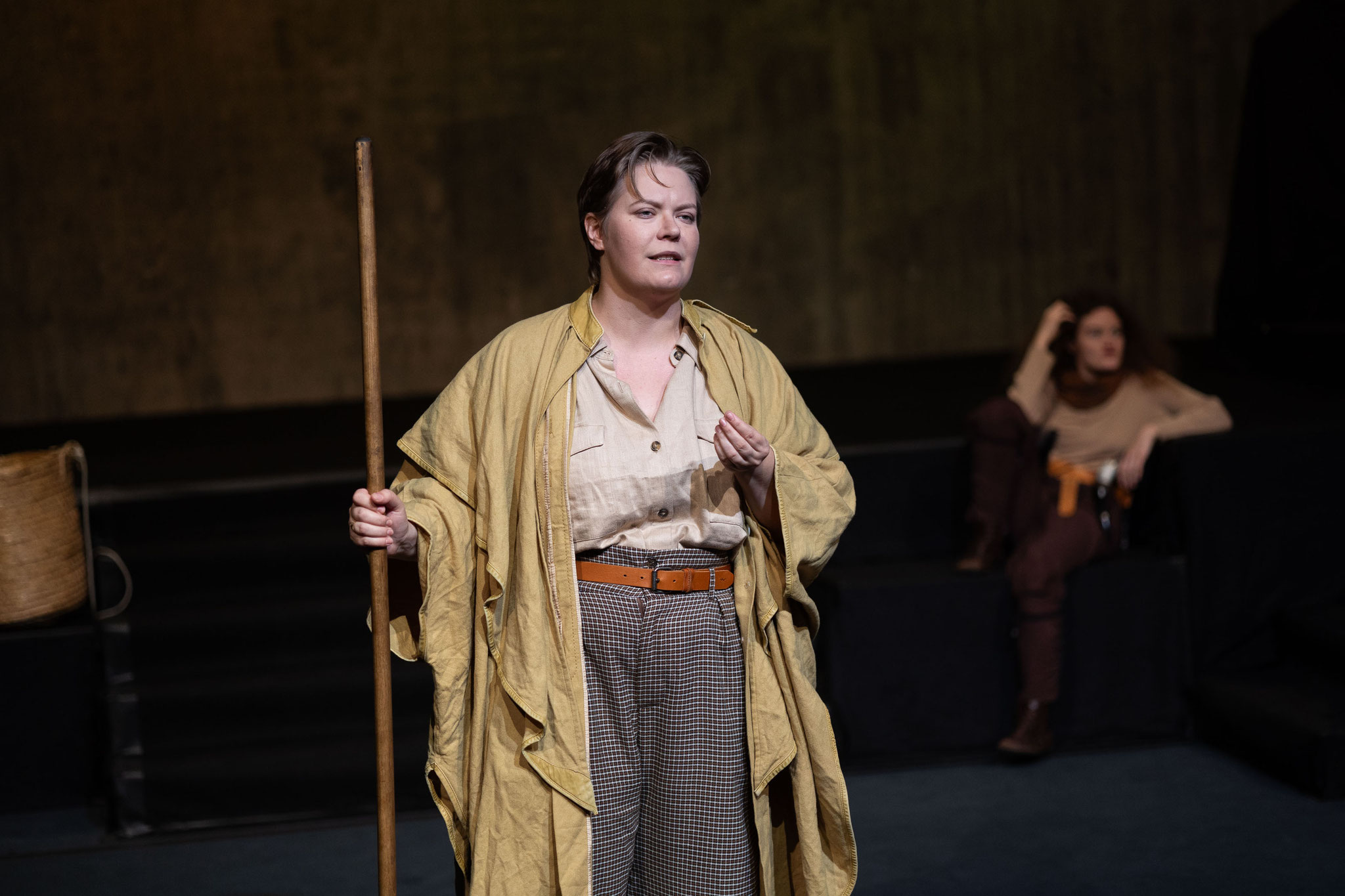


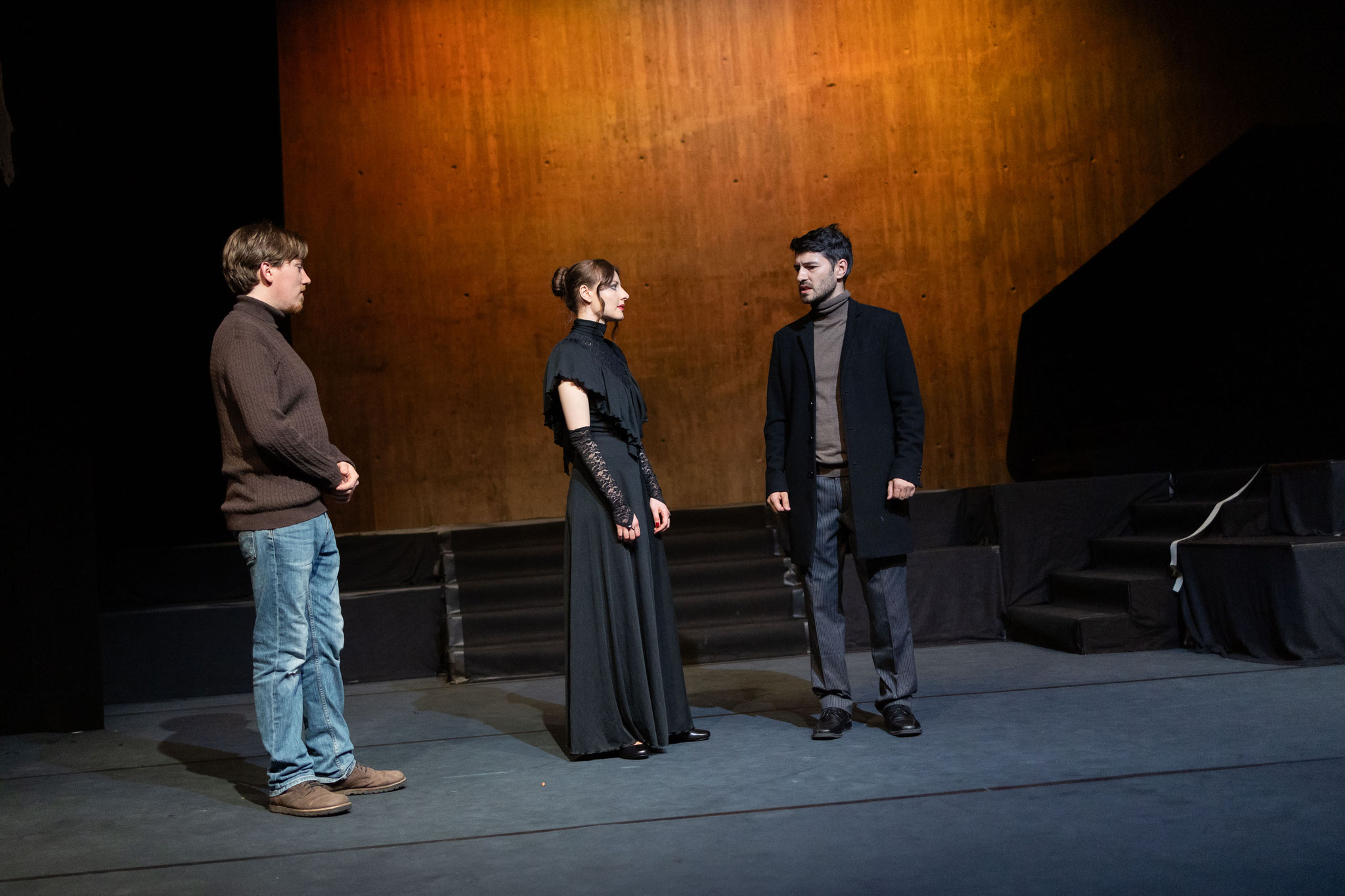


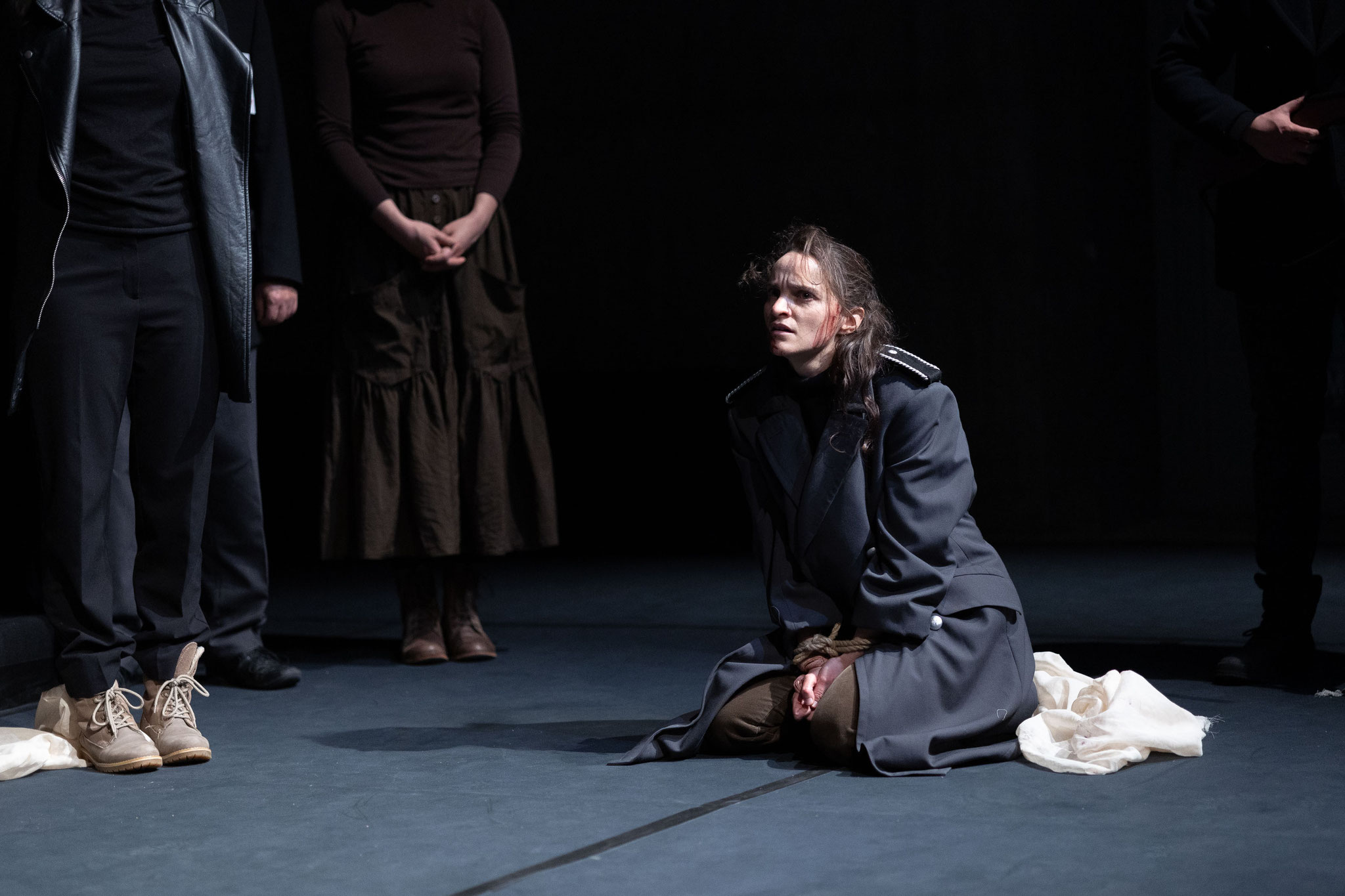


Cast
Narrator 1 (Cornelius, Jailor, a Soldier): Jochen Petzold
Narrator 2 (A Dutchman, a Soldier, Jupiter, Soothsayer): Simon Schießl
At the British Court
Cymbeline; King of Britain: Nicolas Symeou
Innogen; Cymbeline’s daughter: Elisabeth Blob
The Queen; Cymbeline’s second wife: Sophia Schröder
Cloten; the Queen’s son: Janosch Umbreit
Caius Lucius; Roman Ambassador: Benedikt Mendel
Posthumus; a British gentleman: Katharina Meichelböck
Pisanio; servant to Posthumus: Elena Bogner
Helen; servant to Innogen: Pilar Sokol
Two Lords; attending to Cloten: Alejandro Heredero & Jasmin Hertel
A Messenger: Lukas Müller
In Rome
Philario; an Italian gentleman: Florian Horn
Iachimo; an Italian gentleman: Chris Gurău
A Frenchman: Lukas Müller
In Wales
Belarius, known as Morgan; a gentleman: Eva Hackl
Guiderius, known as Polydore: Afifa Ben Salah
Aviragus, known as Cadwal: Nele Heaslip
Characters appearing in a dream
Ghost of Posthumus’s father: Nicolas Symeou
Ghost of Posthumus’s mother: Pilar Sokol
Ghosts of Posthumus’s two brothers: Afifa Ben Salah & Nele Heaslip
Creative Team
Director: Susanne Gürtner
Musical Director: Rolli Bohnes
Light: Elisabeth Zschocke
Stage Design: Susanne Gürtner, Jochen Petzold
Costumes: Chris Gurău, Elisabeth Blob, Elena Bogner, Susanne Gürtner
Stage Building & Props: Elena Bogner, Chris Gurău
Make-Up: Constance Valette
Artwork: Nicolas Symeou
Photography: Alexander Urban
Band
Flute: Paulina Pietsch
Clarinet: Johanna Sturm
Violin: Leonore Lechner
Viola: Stephan Breuherr
Piano: Dr. Lauretta Gluth
Percussion: Lalit Sharma